STAMP SPOTLIGHT
Before You Plan an Event, Decide Your Why
November 15, 2026
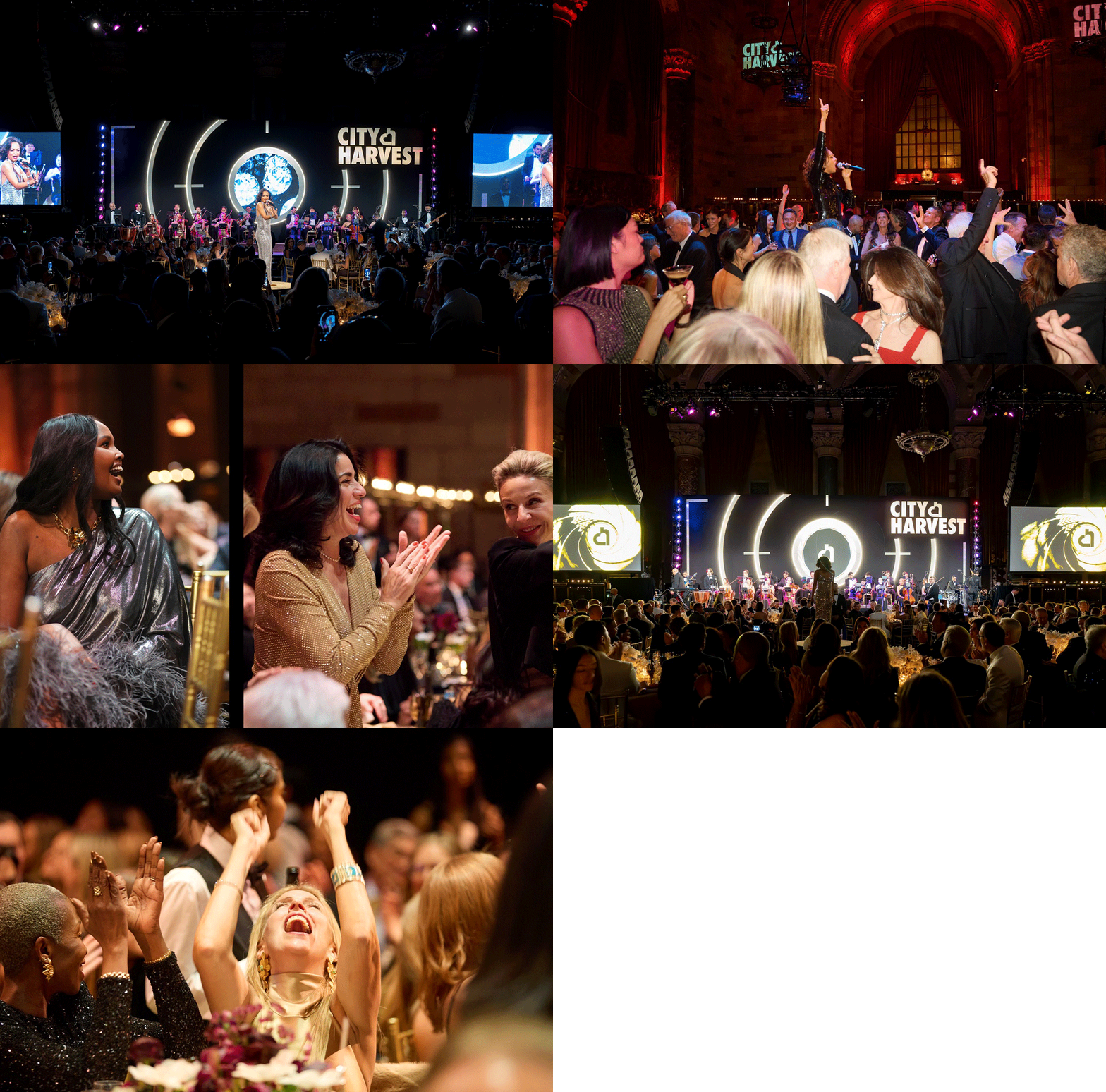
Before you book the venue, fall in love with a design concept, or begin comparing budgets, there is one question worth answering together: What does this event need to accomplish?
It sounds simple. Yet when a team is juggling stakeholders, deadlines, fundraising expectations, and creative ideas, the reason for gathering can easily get buried beneath decisions about the event itself. Those decisions matter, but they work better when the purpose is clear.
We know that tension from the client side. Before founding STAMP Event Co. in 2006, we worked in the nonprofit world and later together at GLAAD, managing events and balancing many of the same responsibilities our clients carry today. We built STAMP to connect creative thinking, production, fundraising strategy, and the guest experience rather than treating each as a separate concern.
Twenty years later, the first planning question has not changed: Why are we doing this?
The Decision to Make First: What Does Success Mean?
A successful event is not defined by how impressive it looks in photographs. It depends on what it was designed to achieve. One gathering may need to raise money for an urgent mission. Another may need to introduce a brand to a new audience. A third might exist to strengthen a community that rarely has the chance to meet in person.
Most events serve more than one goal. The challenge is deciding which ones matter most, how they fit together, and how you will know whether the event delivered.
STAMP’s Three-Part Event Purpose Framework
Fundraiser: Generate Revenue
For a fundraiser, revenue is a leading objective. A nonprofit gala, campaign launch, or benefit may be designed to support a specific program or strengthen an organization’s ability to carry out its mission. Early planning should define the financial goal, the intended audience, and the practical roles of donors and sponsors.
Brandraiser: Build Visibility and Credibility
Sometimes the priority is visibility. A press event, product introduction, or cultural gathering may aim to attract attention, reinforce a message, or help new people understand what an organization stands for. The measure of success could be relevant media interest, meaningful conversations, or increased awareness among a particular audience.
Friendraiser: Strengthen Relationships
An event can also build community. Bringing supporters, partners, employees or customers together may deepen relationships that continue long after the room empties. This objective puts special weight on who attends, how they interact, and what happens after the gathering.
Most Events Need All Three, in Different Proportions
Consider a fundraising gala. Its immediate financial goal may be obvious, but it can also strengthen donor relationships and build awareness for the cause. A brand experience may lead with visibility while creating opportunities for community and future business. A conference may prioritize connection while supporting sponsorships and long-term organizational goals.
The useful exercise is to assign a relative emphasis to fundraiser, brandraiser and friendraiser.
We sometimes represent that mix as a simple pie chart. The chart is not the strategy by itself; it is a way to make different expectations visible and start a more focused conversation.
Once the priorities are agreed upon, the event’s audience, format, budget, content, partners and production decisions can be evaluated against the same goals.
An Example: Building the Plan Before the Program
For Popular Democracy’s 2026 People’s Convention, STAMP’s role included strategic consulting rather than simply delivering an event production package. We worked with the organization on timelines, staffing plans, and operational tools to define responsibilities and clarify the planning process.
That type of work can be less visible than a stage or a room design, but it can be essential. A team with shared objectives and usable systems is better positioned to make decisions, communicate responsibilities, and stay focused on the experience it wants to deliver.
Five Questions to Ask Before Moving Forward
1. If the event can deliver only one outcome exceptionally well, which outcome should that be?
2. Who must be in the room, and what should those people understand, feel, or do afterward?
3. Are we primarily raising funds, building awareness, or strengthening relationships? How should the other objectives support the first?
4. What would give us credible evidence of success, such as revenue, engagement, qualified conversations or follow-up participation?
5. Which decisions about scope, location, programming or budget would change if we answered those first four questions differently?
Write down the answers, share them with decision-makers, and resolve conflicting expectations before signing off on large commitments. A clear purpose does not remove every complication, but it gives the team something solid to return to.
When Strategic Consulting Can Help
You do not always need a full event production partner at the start. Sometimes you need outside perspective to test an idea, make the financial picture more realistic or align several stakeholders around a common plan.
STAMP’s Strategic Consulting work can help organizations define goals, assess feasibility, shape the event model, and develop the practical tools needed to move from ideas to decisions. That support can stand alone or lead into production, design and guest management when the project calls for it.
Let’s Start With Your Why
If you are planning a new event or revisiting one that needs a clearer direction, tell us what you are hoping to accomplish. We would welcome a conversation about the objectives, audience and practical next steps.
Explore our services or connect with STAMP to discuss the event you have in mind.
Latest from STAMP Spotlight